The Rhythmic Pulse of the Caribbean
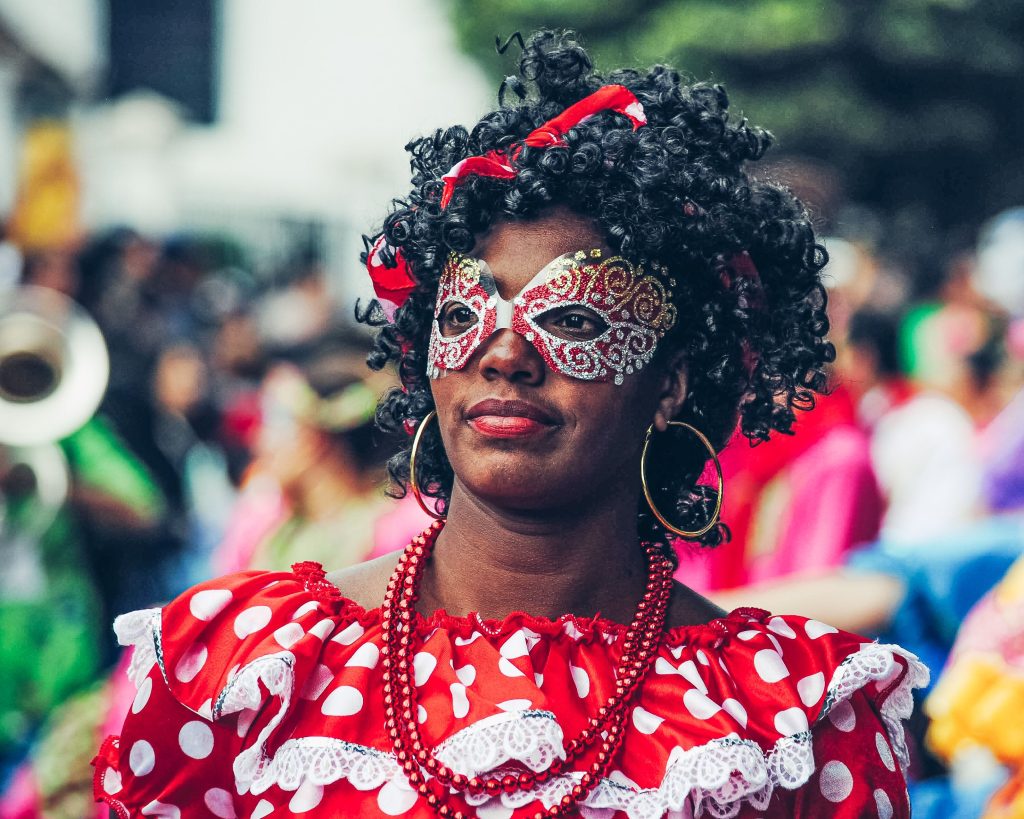
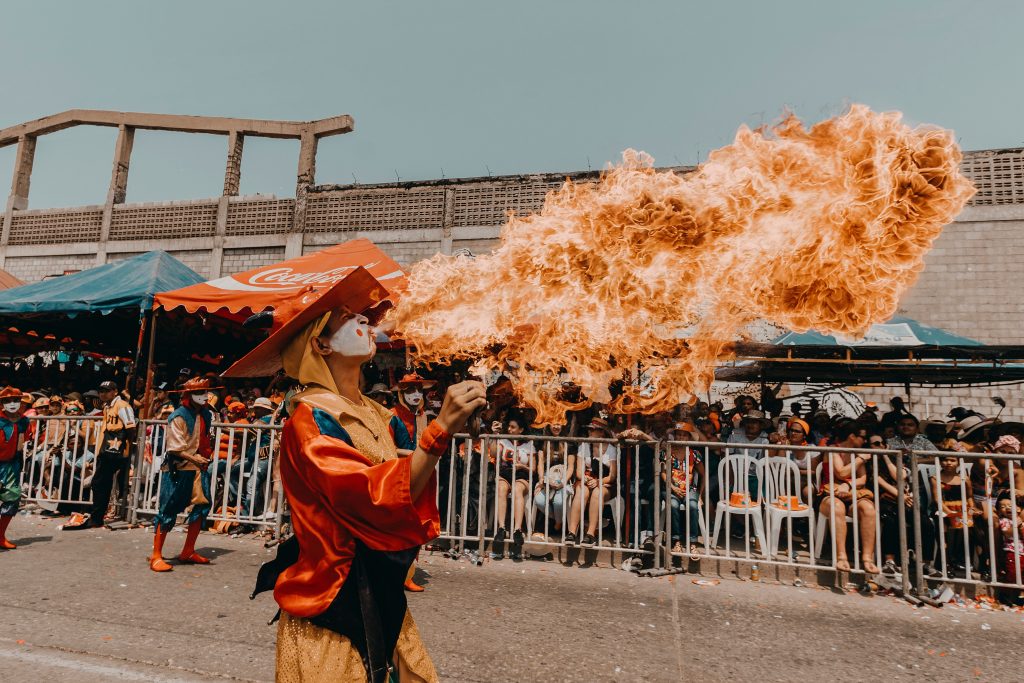
To experience the Barranquilla Carnival without understanding its traditional dances is to watch a musical without audio. Dance is the core language of this UNESCO-recognized celebration. Across every parade route and neighborhood corner, the ground vibrates with the sound of deep percussion and native flutes.
Every traditional dance group—known as a cumbiamba or comparsa—is a guardian of living history. Each choreography tells a compelling story of ancestral resistance, romantic courtship, or satirical reflections on life and death. For travelers visiting Carnaval 2027 (February 6–9, 2027), recognizing these traditional dances will transform your trip into a deep cultural immersion.
The Royal Traditional Dances
1. Cumbia: The Elegance of Tri-Ethnic Courtship
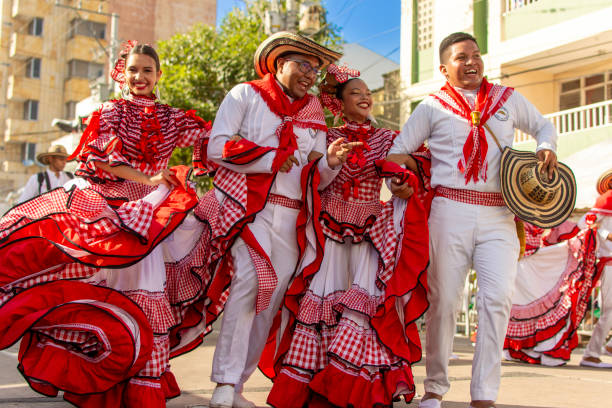
Cumbia is widely considered the mother rhythm of Colombia and the crown jewel of coastal folklore. Born during the colonial era along the Magdalena River, Cumbia represents a delicate dance of courtship between African men and Indigenous women, influenced by Spanish costuming.
- Choreography and Costume: Women wear layered skirts called polleras colorás and glide effortlessly while holding lit candles (velas). Men, dressed in white linen outfits with red bandanas and woven sombreros vueltiaos, dance attentively around the women, removing their hats in respectful gestures.
- Musicality: Driven by gaita flutes or the caña de millo cane flute, accompanied by three distinct drums: tambor alegre, llamador, and tambora.
2. Mapalé: The Explosive Afro-Caribbean Fire
While Cumbia is defined by elegance, the Mapalé is pure electric energy. Originating in Afro-descendant fishing communities, this high-octane dance originally celebrated a successful catch of the mapalé fish before evolving into an expression of physical liberation.
- Choreography and Costume: Dancers execute rapid hip movements, acrobatic leaps, and chest movements that mimic a flopping fish. Costumes are minimal, featuring shiny satin shorts, skirts, or fringes to allow maximum freedom of movement in the Caribbean heat.
- Musicality: Driven exclusively by fast-paced African drum beats led by the tambor alegre and rhythmic handclapping.
3. Danza del Garabato: Defeating Death with Joy
The Danza del Garabato is a theatrical dance rooted in European satire and local farming traditions, staging a dramatic struggle between life and mortality.
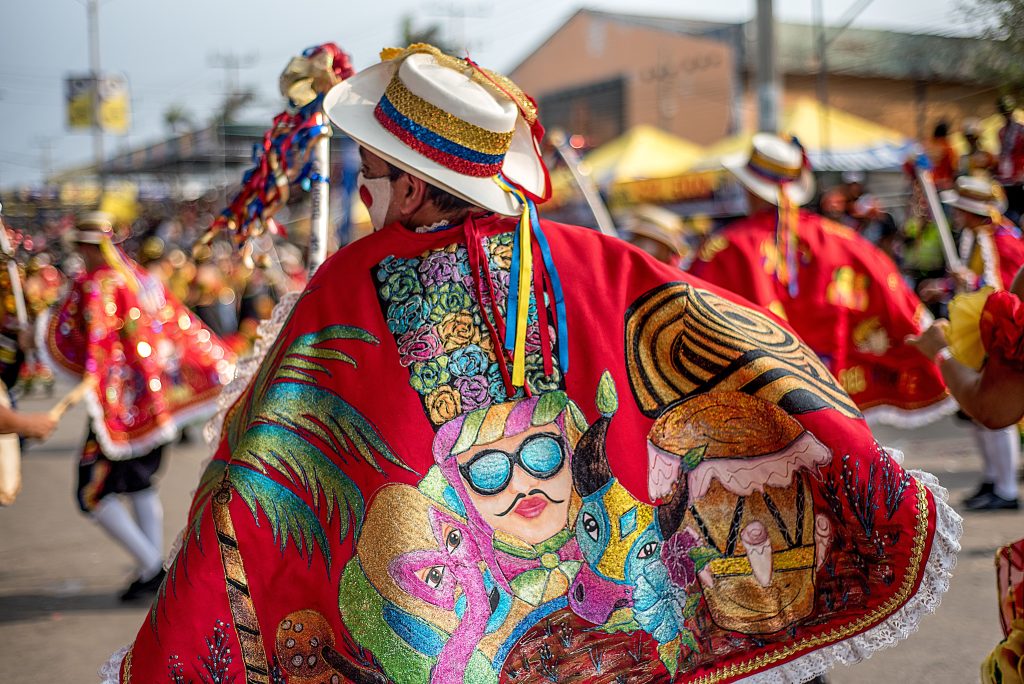
- The Performance: Dancers wearing Spanish-style embroidered jackets and velvet capes wield wooden crooks (garabatos). A central figure dressed as Death (La Muerte) invades the dance floor attempting to claim dancers. In a triumphant climax, the dancers unite and use their wooden crooks to defeat Death, symbolizing that joy always conquers sadness during carnival.
4. Danza del Congo: The Warrior Heritage
The Danza del Congo is one of the oldest recorded dance structures in the carnival, boasting over 140 years of documented history.
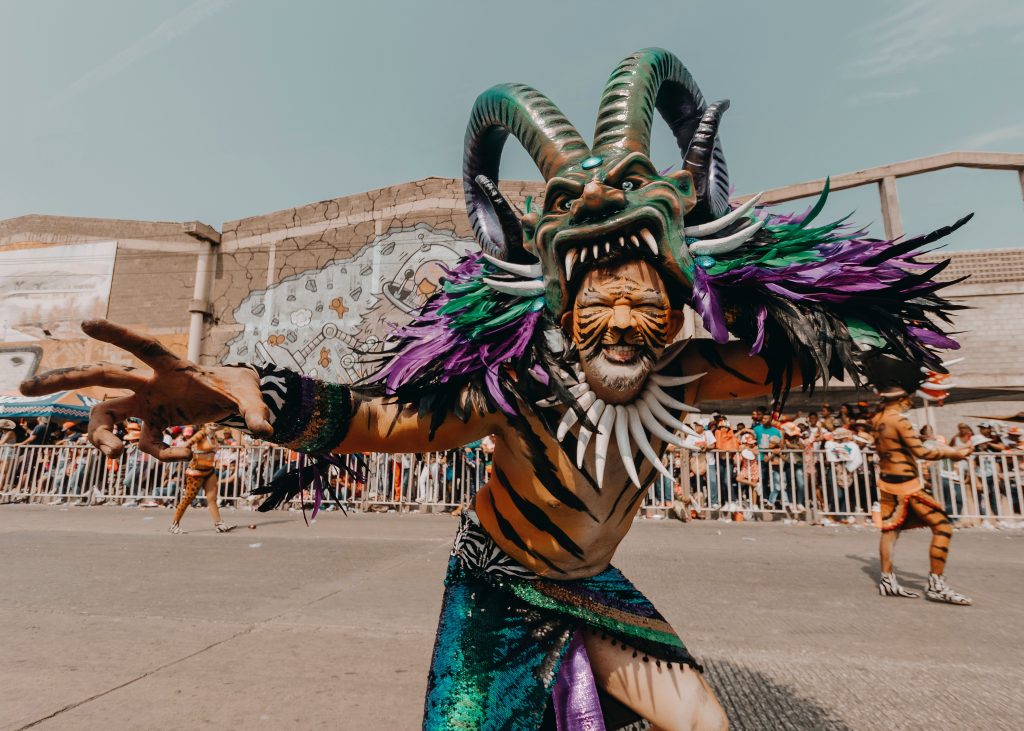
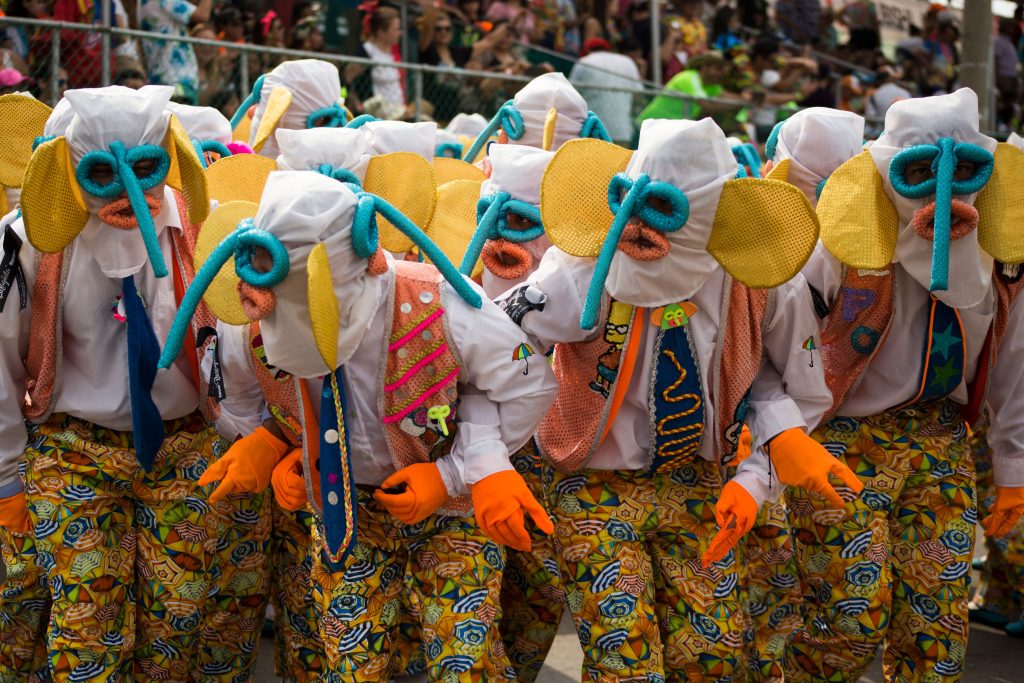
- Choreography and Costume: Dancers march in disciplined military ranks wearing towering cylindrical headpieces (turbantes) decorated with colorful paper flowers, ribbons, and mirrors. Long satin capes trail behind them, accompanied by performers wearing realistic animal masks (disfraces de fauna).
Satirical Dances and Modern Troupes
Son de Negro
Originating in riverfront villages, Son de Negro is an energetic dance created by enslaved Africans to satirize Spanish slaveholders. Dancers paint their bodies with charcoal, wear grass skirts, and exaggerate facial expressions in rhythm with fast drumbeats.
Comparsas de Fantasía
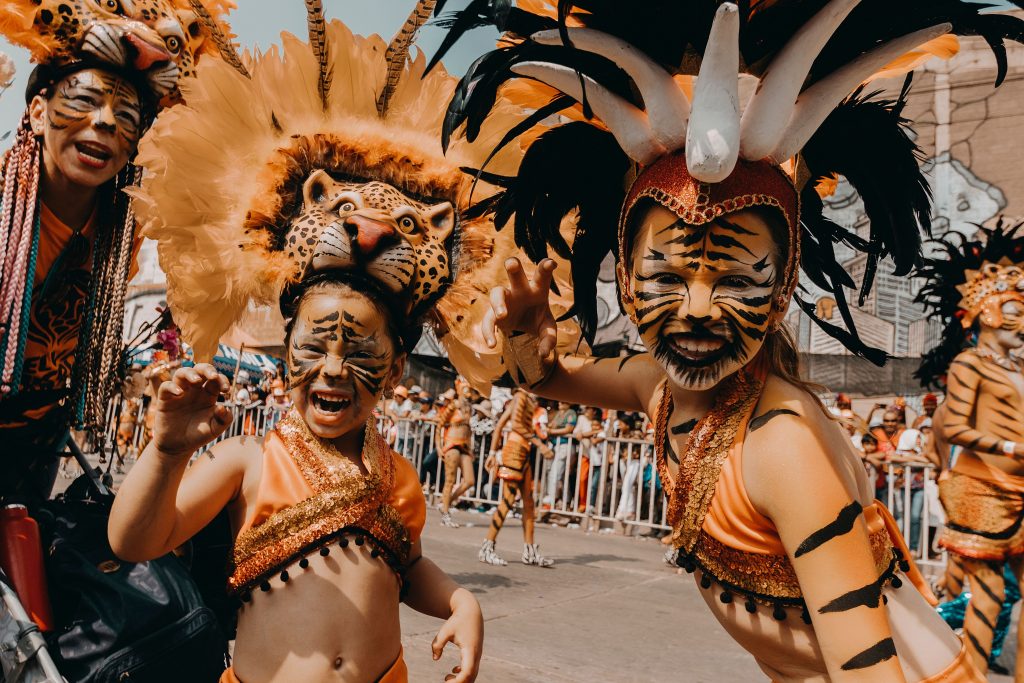
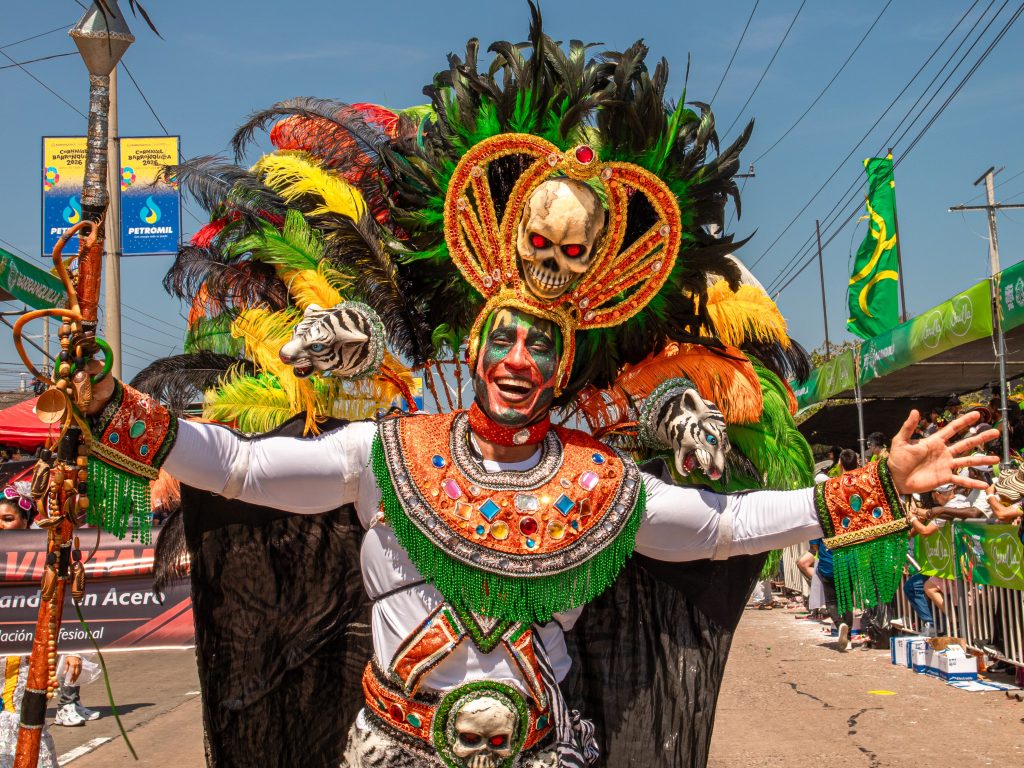
Modern Comparsas de Fantasía blend traditional Caribbean rhythms with modern salsa, reggaeton, and pop, featuring elaborate contemporary costumes and dynamic group routines.
Where to Watch the Dances Live in 2027
To witness these dances performed at their highest competitive level, mark these key events on your schedule:
| EVENT NAME | DATE | LOCATION | CULTURAL HIGHLIGHT |
|---|---|---|---|
| Noche de tambores | Pre-Carnival | Barrio Abajo | Authentic drum jam sessions featuring raw Mapalé and Cumbia rhythms. |
| Batalla de Flores | Sat, Feb 6, 2027 | Vía 40 | Opening parade showcasing traditional troupes alongside grand floats. |
| Gran Parada de Tradición | Sun, Feb 7, 2027 | Vía 40 | A showcase dedicated 100% to folk dances without commercial floats. |
| Baila la Calle | Feb 5–8, 2027 | Carrera 50 | Massive open-air street festival featuring live music and continuous dancing. |
Visit Barranquilla Carnival page to learn more: Here
Visit our page to plan your trip to Barranquilla: Here