How Gran Malecon Barranquilla redefined the city
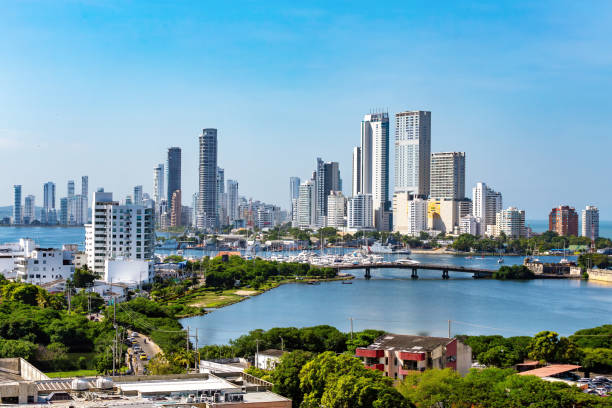
Barranquilla Magdalena River is one of the most important relationships that defines the identity of the city. Understanding Barranquilla Magdalena River is essential to understand how the city grew, transformed, and continues to evolve today.
For decades, the Magdalena River has been more than a geographic element. It has been a driver of culture, commerce, and development. And today, the story of Barranquilla Magdalena River reflects one of the most important urban transformations in Colombia.
Barranquilla Magdalena River is not just history. It is present and future.
The river that gave birth to the city
Talking about Barranquilla without mentioning the Magdalena River is telling an incomplete story. Long before becoming a modern city, Barranquilla was born thanks to its relationship with the river.
Its strategic location at the point where the Magdalena meets the Caribbean turned it into a natural hub for trade, cultural exchange, and economic movement. It is no coincidence that it became known as “The Golden Gate of Colombia.”
The river was not a landscape. It was living infrastructure. It was a connection. It was development.
When the city stopped looking at it
With urban growth and the rise of new economic dynamics, the daily relationship between the city and the river began to weaken.
Barranquilla kept growing, but no longer in dialogue with its most important natural edge. The river shifted from being a protagonist to becoming a background element. And with that, the city lost part of its original narrative.
The turning point: looking back at the Magdalena
Every major urban transformation begins with a clear decision: to reconnect with what truly matters.
In Barranquilla, that decision took shape through a renewed city vision that understood something essential: it was not just about recovering a physical space, but about rebuilding a relationship.
This is how one of the most significant urban projects in the city and arguably in the country was born: the Gran Malecón.
More than a space: a new way of experiencing the city
The Gran Malecón is not just infrastructure. It is a new way of understanding Barranquilla.
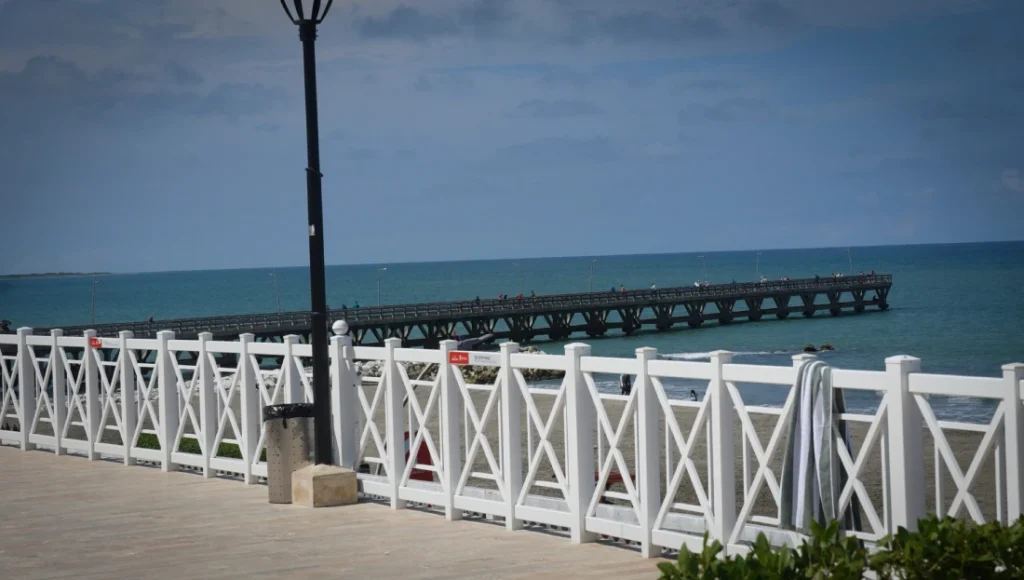
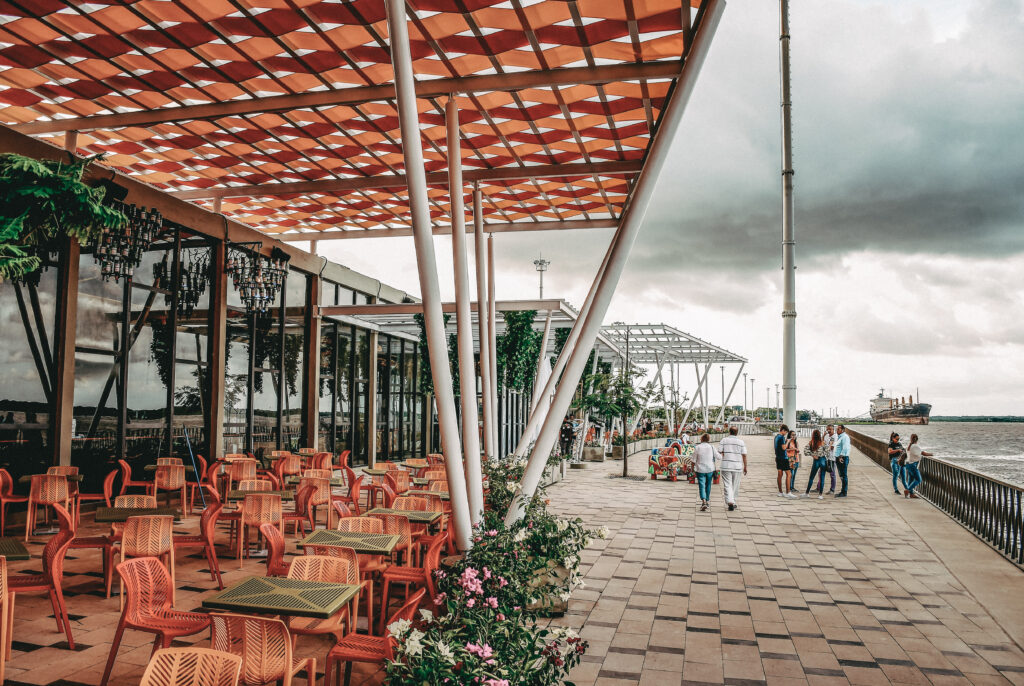
What happened there was deeper than an urban intervention: it was an emotional reconnection between the city and its origin. Today, this space works as a meeting point, a cultural stage, a gastronomic corridor, a recreational area, and a symbol of urban transformation.
But its true value is not only in what it offers.It is in what it changed. It changed how the city is perceived.
The river as a new urban experience
The reconnection with the Magdalena transformed everyday life. Today, the river is part of the urban experience: walking it, inhabiting it, observing it, living it.
It became a space where the city breathes differently. Where urban life finds balance.
And where Barranquilla rediscovered a part of itself that had been on pause.
A symbol of recovered identity
The Magdalena River is no longer just a geographic feature. It is a symbol of recovered identity. It represents what happens when a city chooses not to deny its history, but to reinterpret it. It represents vision, but also memory.
And above all, it represents a city that understood its future is not built from scratch, but from what has always defined it.
Barranquilla returned to where it was always meant to look
Today, the river is not an edge. It is a center. Not a limit. It is a possibility. The city that once turned its back is now facing the Magdalena again. And in that gesture, there is something deeper than urbanism: there is identity, awareness, and future.
Barranquilla did not just grow.
It found itself again.