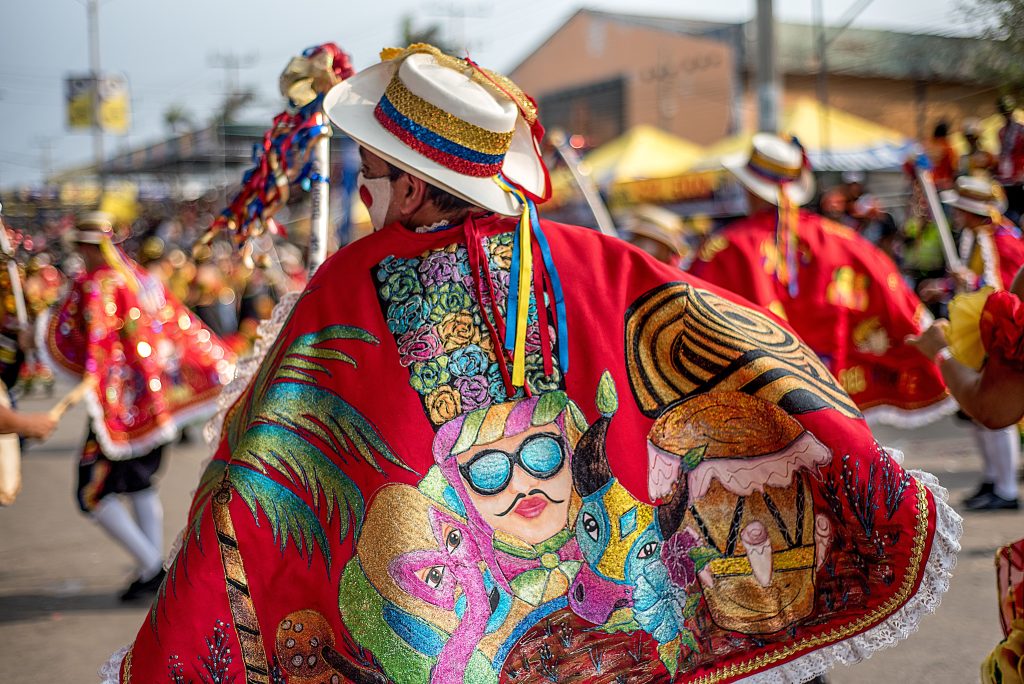
The Living Heart of Colombian Culture
Long before the streets of Barranquilla transform into an electric sea of glitter and thunderous drumming, a historic narrative begins to unfold. The Barranquilla Carnival (Carnaval de Barranquilla) is not merely an annual street party; it is a centuries-old tapestry woven from the lived experiences and artistic expressions of diverse ethnic groups along Colombia’s Caribbean coast. Recognized in 2003 by UNESCO as a Masterpiece of the Oral and Intangible Heritage of Humanity, this grand festival represents one of the most vital cultural preservation movements in Latin America.
To walk through Barranquilla during carnival season is to step into an open-air museum where history is danced, sung, and celebrated by millions of locals and travelers alike. Understanding the history of the carnival elevates the visitor’s experience from simple sightseeing to participating in an ancient ritual of collective joy.
The Tri-Ethnic Origins: African, Indigenous, and European Roots
The unique identity of the Barranquilla Carnival stems from its tri-ethnic foundation: European colonial traditions, African ancestral heritage, and Indigenous American customs. During the Spanish colonial era, the Caribbean coast served as the primary gateway for European settlers and enslaved African populations, while indigenous communities like the Mokana already inhabited the region.
The European Influence
European colonizers brought pre-Lenten carnival concepts tied to Catholicism, involving masked balls, satirical role-reversals, and public processions designed as a final period of indulgence before Lent.
The African Legacy
Enslaved African communities integrated rhythm, percussion, and powerful spiritual storytelling. Prevented from practicing their religious rites openly, they embedded sacred drumming patterns and warrior dances—such as Mapalé and Congo—into permitted public celebrations.
The Indigenous Connection
Native tribes contributed melodic tunes and natural instruments like the gaita flute and maracas, along with body painting techniques and feather artwork that remain integral to traditional costumes.
As Barranquilla grew into a thriving port city known as the “Golden Gate of Colombia,” these three distinct cultural streams merged into a singular expression of Caribbean identity.
Key Historical Milestones
While informal celebrations occurred for centuries, the formalization of the carnival aligned with Barranquilla’s urban growth in the late 19th and early 20th centuries:
- 1888: The character of King Momo (Rey Momo) was officially introduced as the mythical ruler of satire and carousing.
- 1899–1902: The Thousand Days’ War (Guerra de los Mil Días) forced the temporary suspension of public carnival festivities.
- 1903: General Heriberto Vengoechea proposed the inaugural Batalla de Flores to celebrate peace, substituting real bullets with blossoms and confetti.
- 1918: Alicia Lafaurie Roncallo was crowned the first official Carnival Queen, establishing a regal tradition that continues today.
- 2003: UNESCO officially proclaimed the festival a Masterpiece of the Oral and Intangible Cultural Heritage of Humanity.
Historical Venues for Carnival 2027
For travelers planning their journey to Carnaval 2027 (February 6–9, 2027), visiting the historical hotspots where these traditions were born adds immense value to the trip:
1. Barrio Abajo
The historic cradle of the carnival, home to generations of artisans and dancers. Exploring its street murals and visiting the Museo del Carnaval offers an intimate look at the festival’s roots.
2. Plaza de la Paz
The symbolic heart of the city’s celebrations, hosting Lectura del Bando, where authority is symbolically handed over to the Carnival Queen.
3. Vía 40
A massive avenue along the Magdalena River that transforms into a 4-kilometer arena for grand parades like the Batalla de Flores and Gran Parada de Tradición.
| EVENT | LOCATION | HISTORIC SIGNIFICANCE |
|---|---|---|
| Lectura del bando | Plaza de la Paz | Official kickoff declaring the start of mandatory happiness. |
| La Guacherna | Carrera 44 | Traditional nighttime parade lit by lanterns and candles. |
| Batalla de Flores | Via 40 | The oldest official parade (since 1903), featuring grand floats. |
| Joselito Carnaval | Barrio Abajo | Symbolic burial marking the official end of the carnival season. |
Check out the Carnival Page to more info: Here
Why the Carnival Endures Today
What distinguishes the Barranquilla Carnival is its democratic nature. It is maintained by local families who pass down dance steps and musical rhythms from generation to generation. For four days, social barriers dissolve under the shared motto: “Quien lo vive, es quien lo goza” (He who lives it, enjoys it).