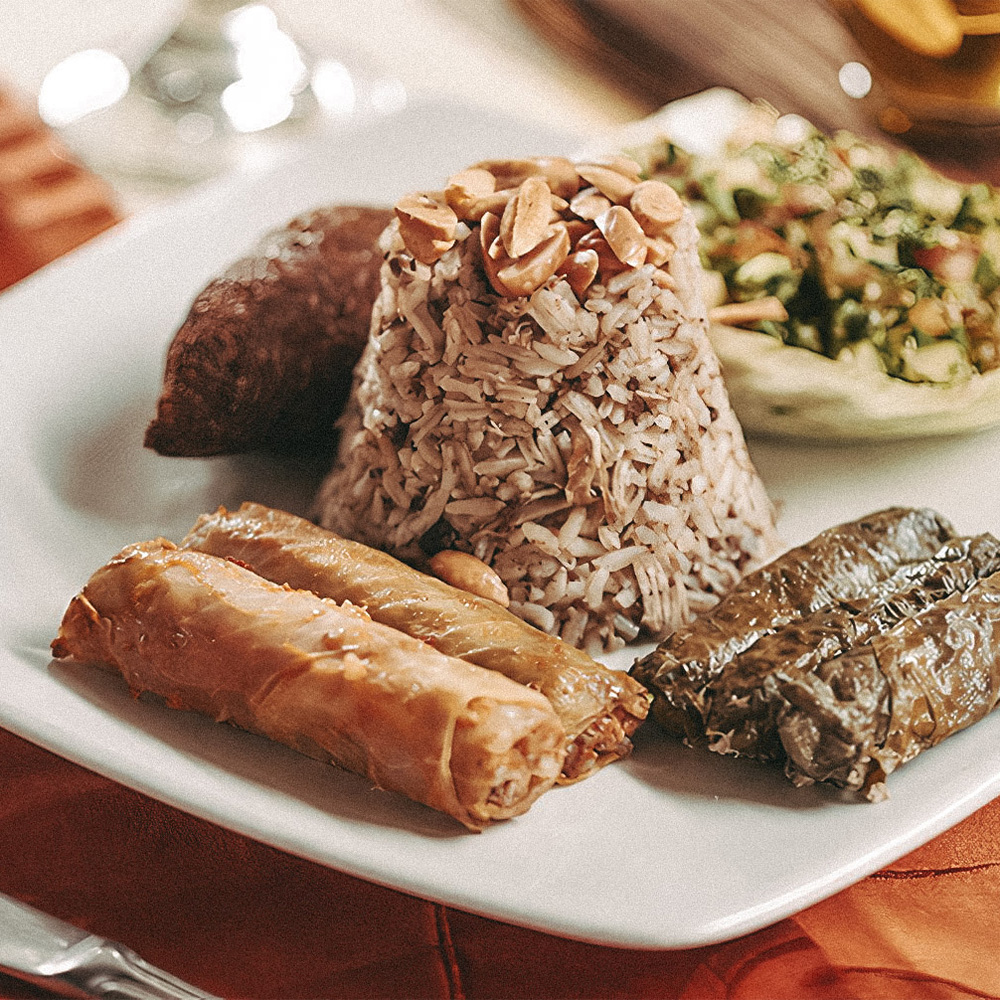
A Food Culture Built by Immigration
Barranquilla gastronomy is inseparable from the city’s history as Colombia’s main Atlantic port. From the late 19th century onward, waves of immigrants arrived through Puerto Colombia from the Middle East, Europe, and Asia, and each community brought its culinary traditions with them. Lebanese, Syrian, Palestinian, Italian, Spanish, Chinese, and Jewish communities all settled in Barranquilla and adapted their home cooking to the ingredients and climate of the Colombian Caribbean. The result is a food culture that is genuinely distinct from the rest of Colombia — not a fusion by marketing concept, but one that developed organically over more than a century of coexistence.
Immigrant Dishes on the Barranquilla Table
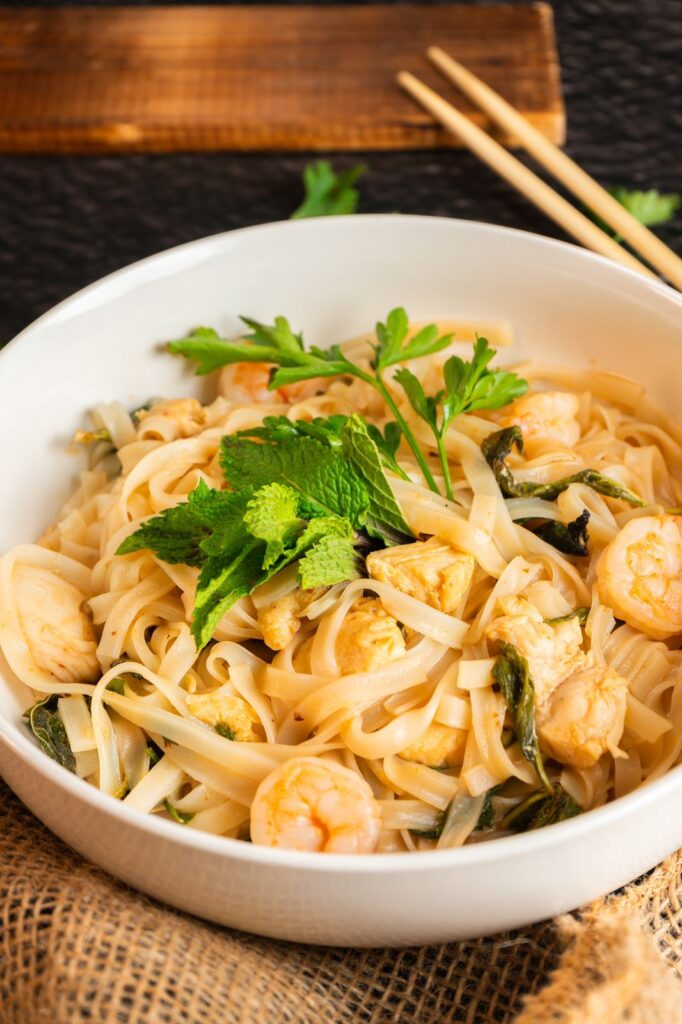
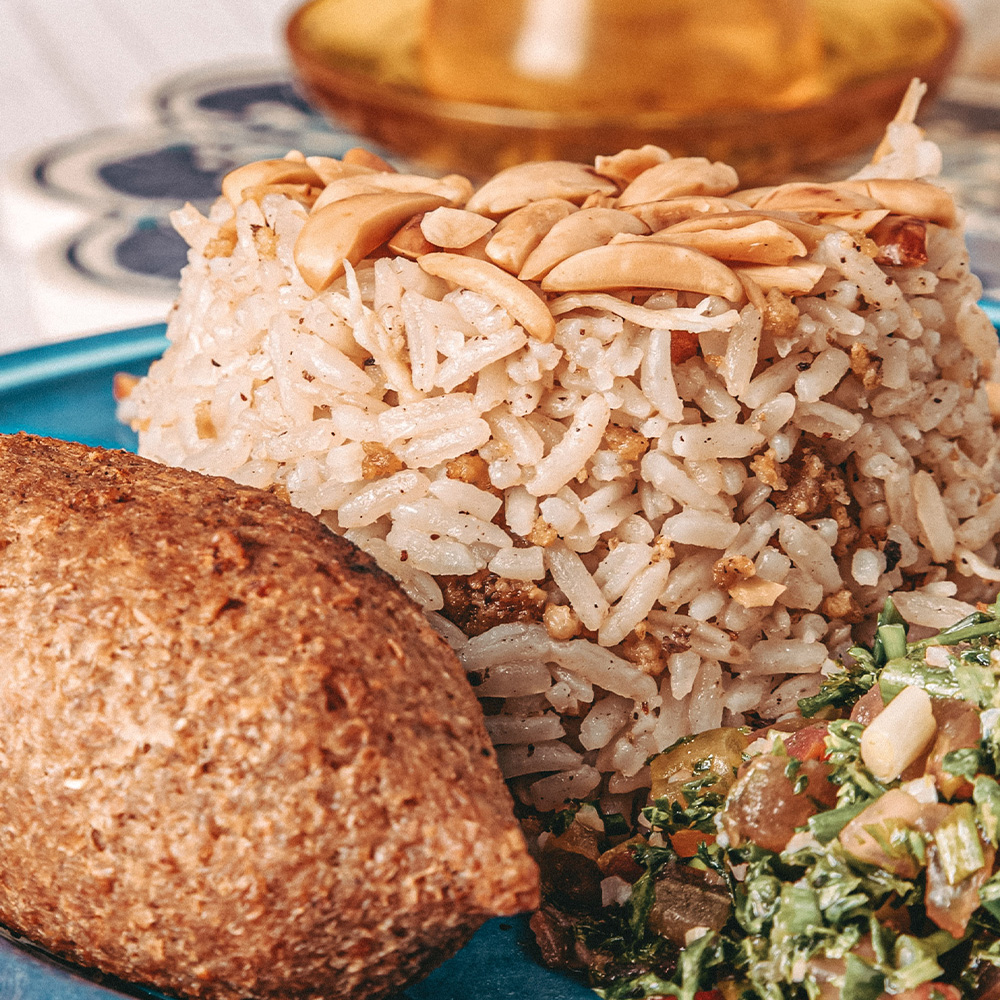
The clearest expression of this history is found in the specific dishes that entered the local diet. Lebanese kibbeh — ground meat and bulgur wheat, fried or baked — is as common in Barranquilla restaurants as in Beirut. Italian pasta traditions arrived with Genoese and southern Italian families and evolved into locally adapted versions still served in family-run trattorie across the city. The Chinese community, concentrated historically in the Centro Histórico, contributed fried rice preparations that absorbed local ingredients and became a staple of the city’s casual dining scene. Walking through the Zona Norte restaurant corridor on any given evening, a traveler can move between all of these traditions within a single block.
Local Caribbean Dishes
Alongside the immigrant contributions, Barranquilla has its own Caribbean culinary foundation. Arepas de huevo — a fried corn cake with an egg cooked inside — are the quintessential Barranquilla street food, sold at street stalls throughout the city from early morning. Sancocho, a slow-cooked meat and vegetable soup, is the reference comfort dish of the Colombian Caribbean and appears on virtually every traditional menu. Arroz con camarones, rice cooked with fresh Caribbean shrimp, reflects the city’s coastal position and its access to seafood from both the river and the sea. These dishes are most reliably found in the traditional restaurants around the Mercado de Barranquilla and in the popular lunch spots of the Centro Histórico.
Where to Eat in Barranquilla
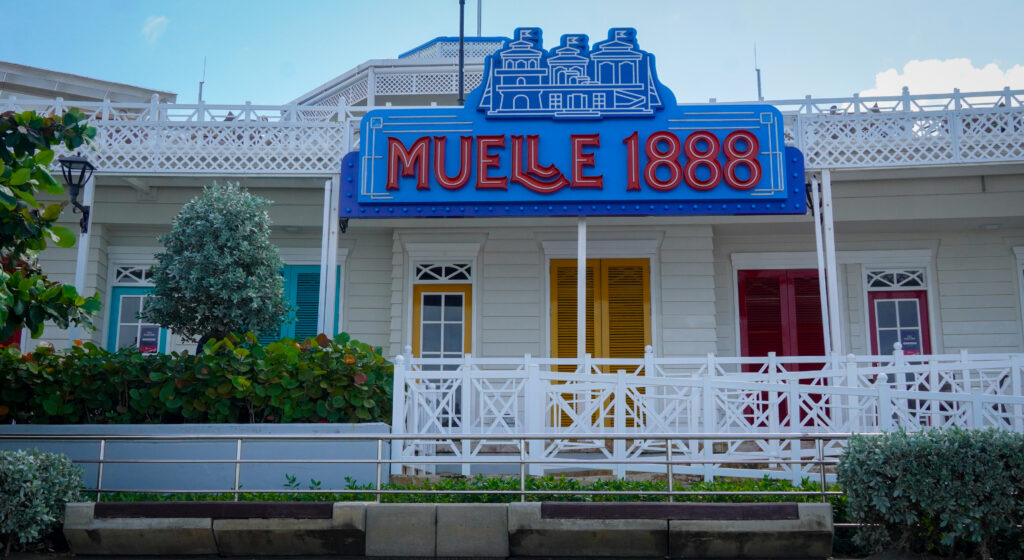
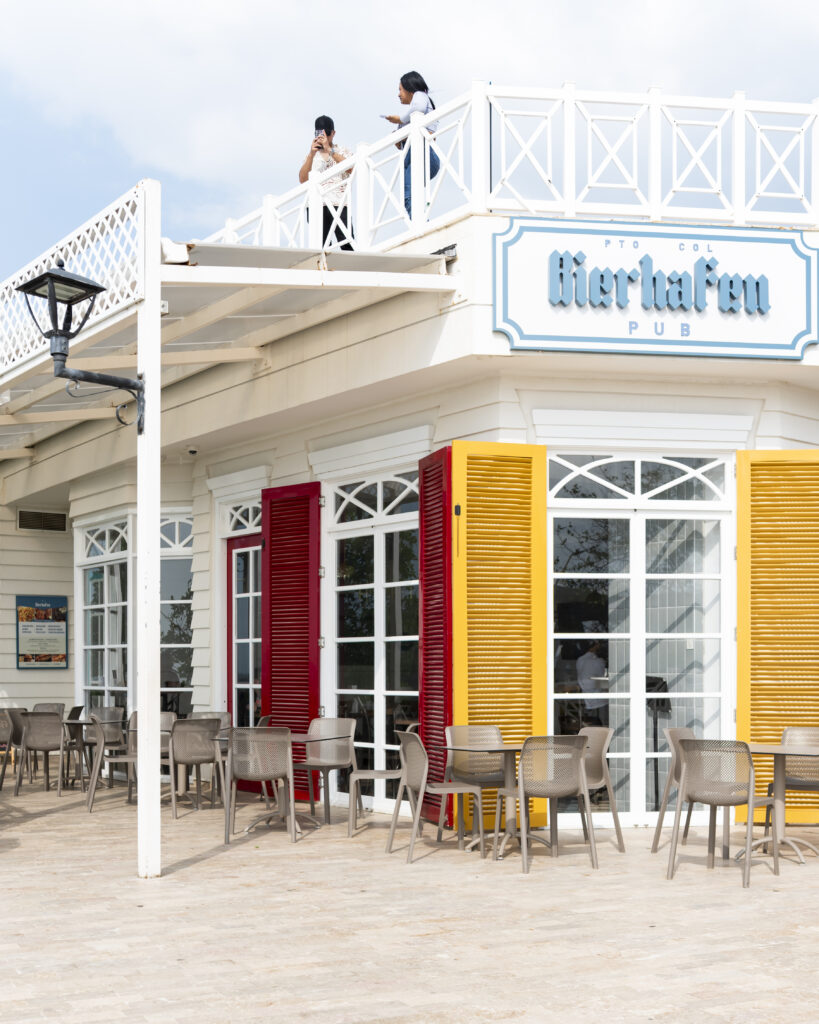
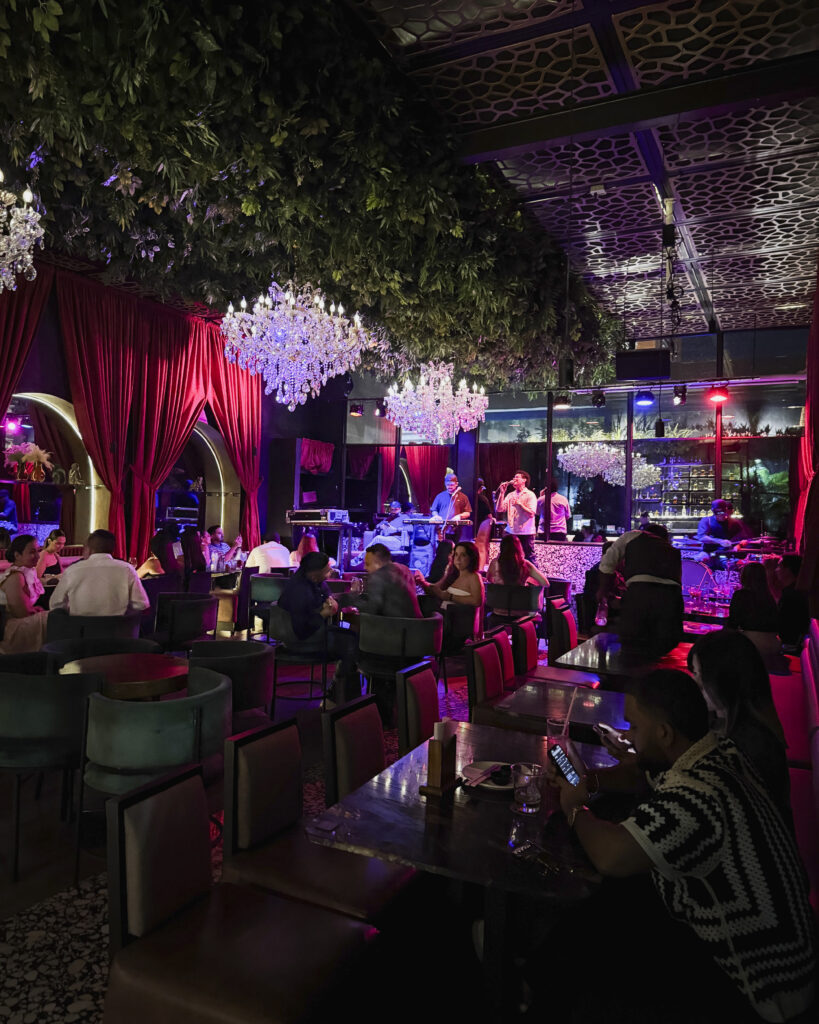
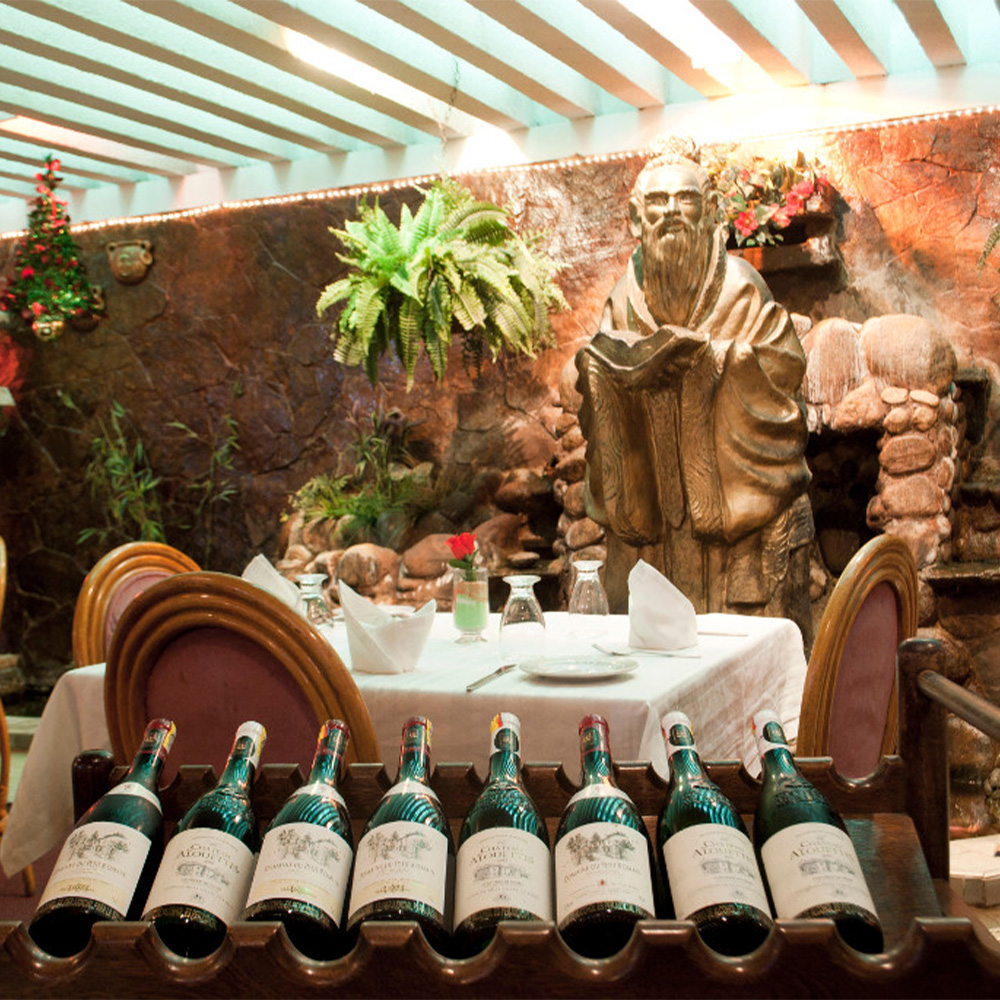
The city’s main restaurant concentration is in the Zona Norte, particularly along the corridors of Calle 93 and the surrounding streets in the Norte Centro Histórico district. This area ranges from casual neighborhood spots to contemporary Colombian cuisine restaurants. Muelle 1888 Gastronomic Center, covered separately on this site, organizes several restaurants under one roof around the immigrant heritage theme and is one of the most visited gastronomic destinations in the city. For traditional Caribbean cooking, the central market area and the historic barrios offer a more local experience at significantly lower price points.
Where to Eat in Barranquilla
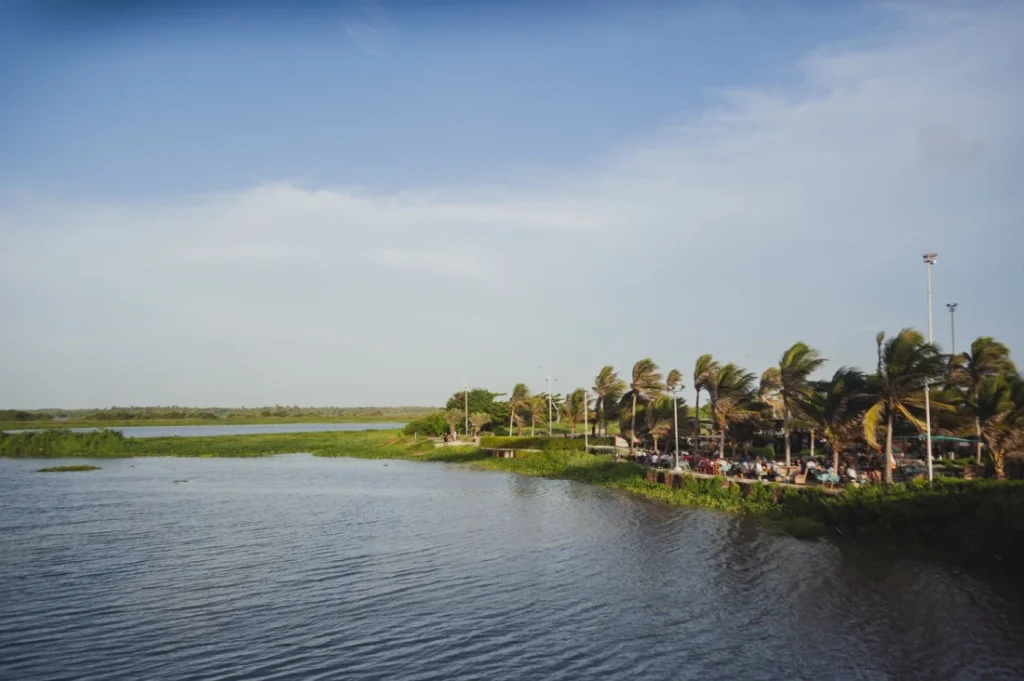
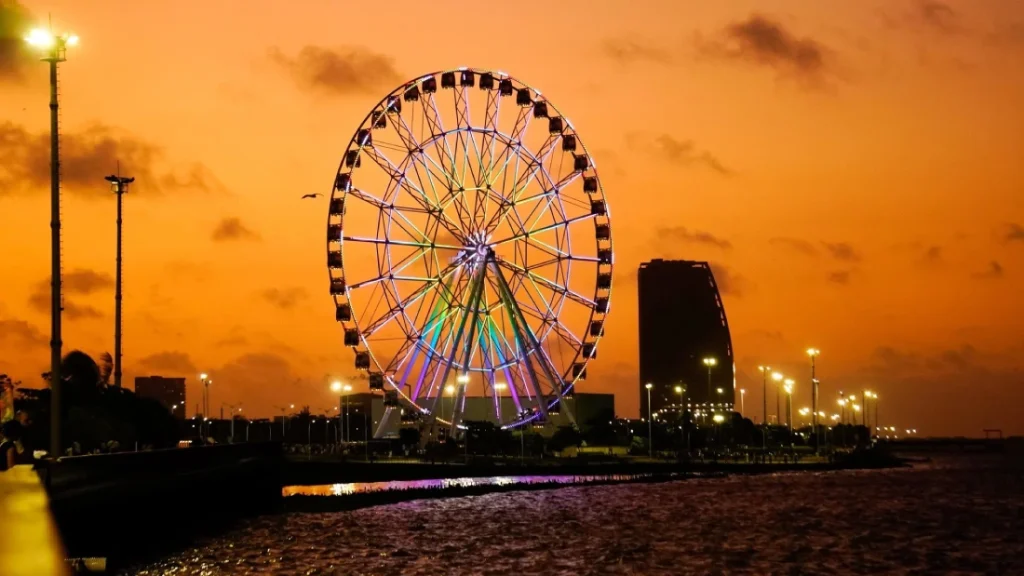
Barranquilla has a wide and varied restaurant scene spread across the city. The northern neighborhoods — Alto Prado, El Prado, El Golf, and Buenavista — have a high concentration of contemporary restaurants and bars. Las Flores offers a more casual dining experience closer to the coast. The Gran Malecón del Río has become an active food destination with open-air options along the riverfront. For visitors willing to travel 30 minutes outside the city, Puerto Colombia and its surrounding area, including the Villa Campestre neighborhood, offer a different setting with seafood and traditional Caribbean cooking. The full restaurant directory for Barranquilla is available in the Where to Eat section of this site.