Exploring the Iconic Characters of Barranquilla Carnival and Their Roots
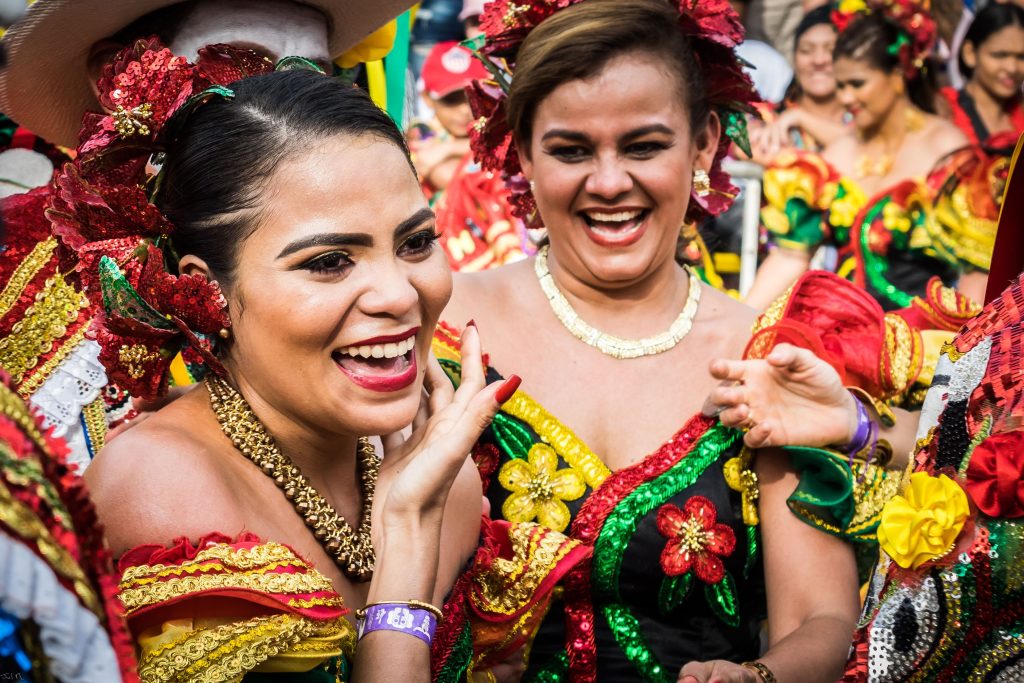
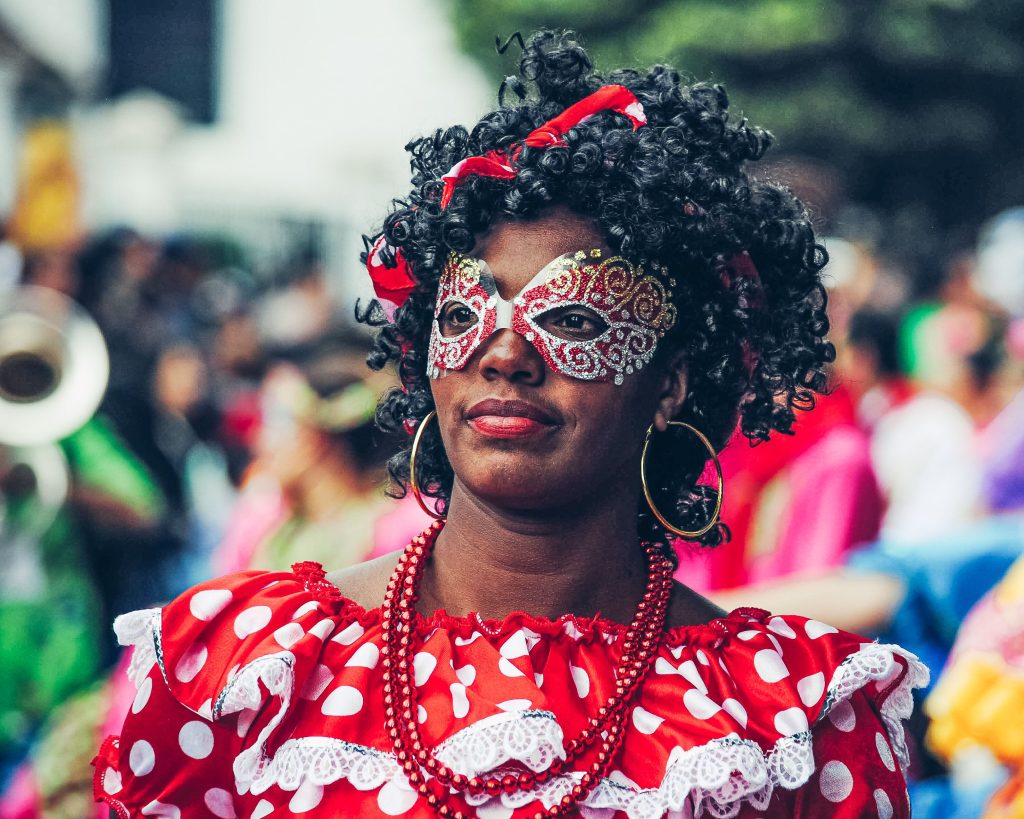
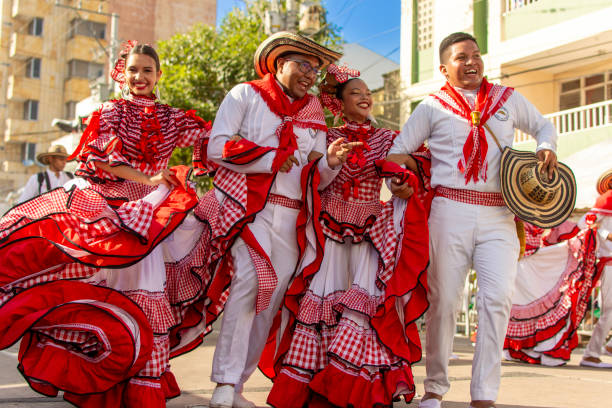
The Barranquilla Carnival (Carnaval de Barranquilla) is far more than a simple sequence of festive weekend parades; it is a vibrant living canvas of folklore, historical satire, theatrical expression, and Caribbean storytelling. Central to this UNESCO-recognized intangible cultural heritage are its legendary traditional figures and characters. Each unique carnival figure carries deep ancestral roots reflecting the intricate historical blending of Indigenous, African, and European communities along Colombia’s sunny northern coast.
If you are planning to attend Carnaval 2027 (February 6–9, 2027), recognizing and understanding these famous traditional figures will greatly enhance your firsthand appreciation for the elaborate costumes, street performances, and musical dances filling the city during parade days.
La Marimonda: The Ultimate Symbol of Local Satire and Humor
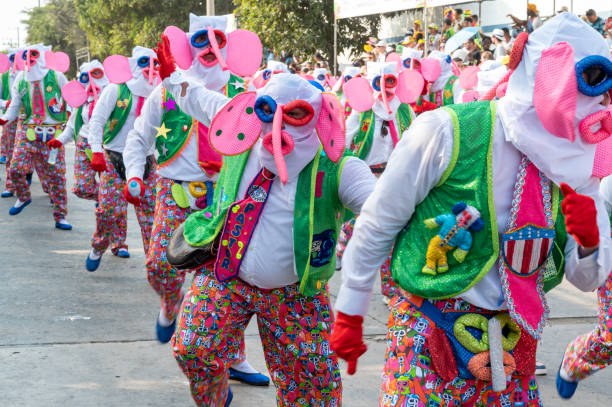
Perhaps no character represents the irreverent, witty, and joyful spirit of Barranquilla better than La Marimonda. Dressed in brightly colored, mismatched clothes worn deliberately backward, a flopping fabric tie, and a full head mask featuring a long flexible nose, oversized ears, and large bulging eyes, this comedic figure is completely unique to Barranquilla’s heritage.
Created originally in the late nineteenth century by working-class citizens seeking to mock pompous politicians and high-society elites, the character was designed to look entirely ridiculous and absurd. Dancers playing the Marimonda perform energetic jumps, whistle loudly through small noisemakers (matasuegras), and engage in playful, teasing interactions with spectators along the main parade routes. Today, thousands of local participants join massive Marimonda performance troupes (comparsas), proving that humor and satire remain at the heart of community celebration.
El Rey Momo and The Carnival Queen: Festival Royalty
While street characters represent folk humor and grassroots creativity, official festival royalty guides the overall symbolic leadership and public spirit of the celebration each year.
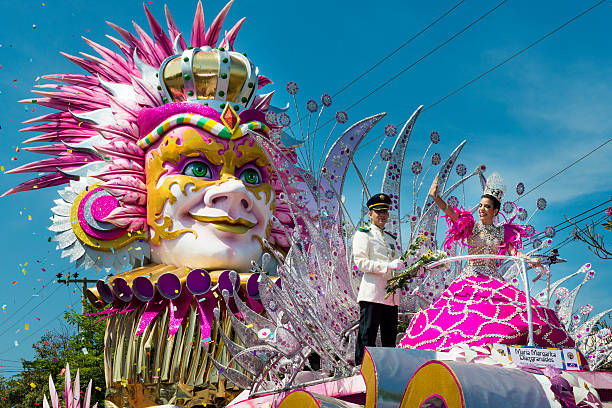
El Rey Momo (King Momo) originates directly from ancient Greek mythology as the deity of mockery, satire, and festive revelry. In Barranquilla, King Momo is selected annually from among senior folk dance group directors and respected cultural guardians who have dedicated their lives to preserving traditional music and heritage. Working alongside King Momo stands the Carnaval Queen (La Reina del Carnaval), a charismatic local ambassador who officially inaugurates the festival season with her proclamation (El Bando), legally ordering the entire city to surrender completely to music, dance, and collective happiness.
El Garabato, El Torito, and Son de Negro: Life, Death, and African Heritage
1. El Garabato: The Eternal Battle Between Life and Death
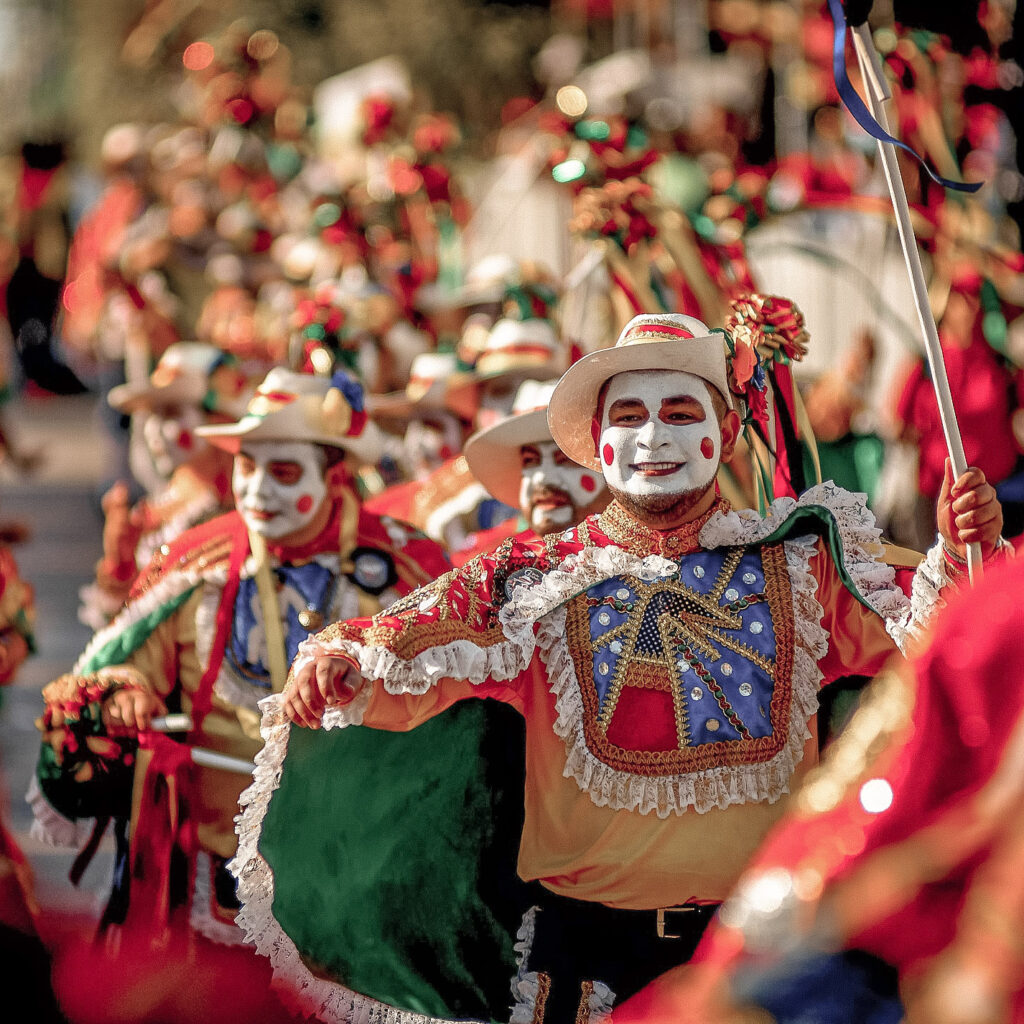
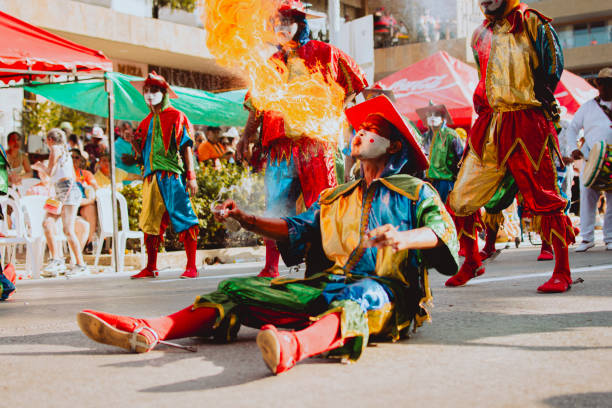
The Danza del Garabato presents a dramatic theatrical performance illustrating the constant struggle between human joy and mortality. Dancers dressed in velvet caps, embroidered capes, and yellow trousers hold a curved wooden agricultural tool (garabato) as they dance alongside a towering figure representing Death. Despite Death’s persistent attempts to conquer the revelers, Life ultimately wins every year through rhythm, movement, and community celebration.
2. El Torito and Son de Negro: Resistance and Identity
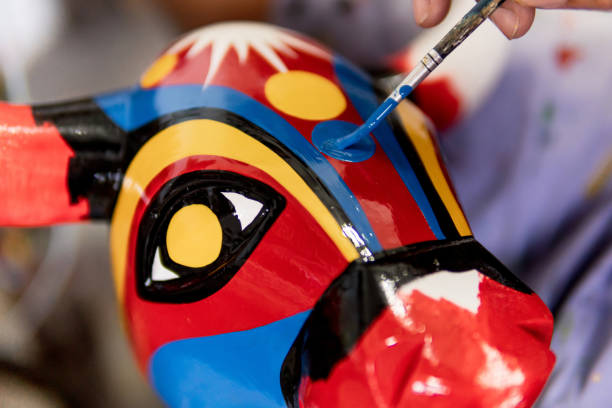
Dating back to 1878, the Danza del Torito Palenquero is one of the oldest active traditional groups in the carnival. Rooted in Afro-Colombian history from historic maroon settlements like San Basilio de Palenque, performers wear carved wooden bull masks decorated with ribbons. Similarly, the expressive Son de Negro dancers paint their skin black, exaggerate playful facial gestures, and perform rhythmically to traditional drumbeats, honoring ancestral freedom and resistance along the Magdalena River.
Joselito Carnaval: The Tragicomic Farewell to the Festival
On the final afternoon of the four-day holiday (Tuesday, February 9, 2027), the entire city gathers for the symbolic, lighthearted funeral of Joselito Carnaval.
According to local urban folklore, Joselito is a fun-loving character who leaves his home on Carnival Friday to party continuously for four straight days without returning, only to be found passed out in the street on Tuesday evening. Dressed in black mourning attire, theatrical revelers parade through local streets dramatically crying and bid farewell to his memory. This comical funeral marks the official conclusion of carnival season, paving the way for Ash Wednesday and initiating the eager countdown for the next year’s celebration.