Best Things to Do in Barranquilla in 48 Hours
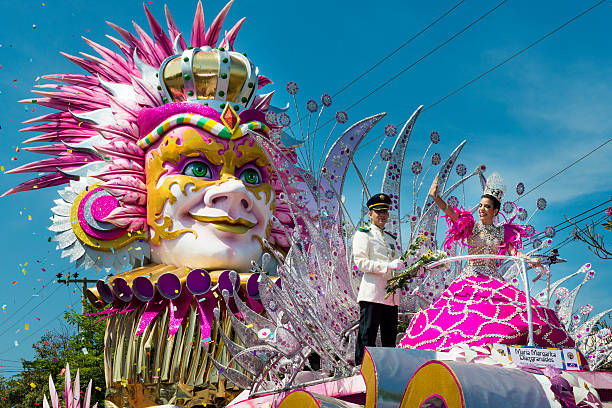
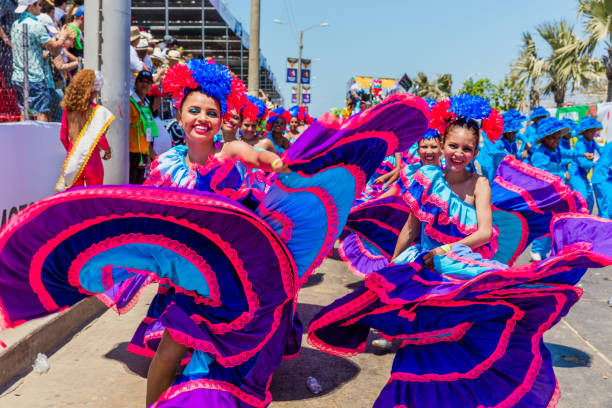
Barranquilla is often associated with one thing: Carnival. And while Colombia’s most iconic celebration is undeniably part of the city’s identity, reducing Barranquilla to just four days of festivities would mean missing everything that makes it worth experiencing year-round.
This is a city that moves differently.
Here, Caribbean energy meets modern gastronomy, cultural heritage blends with contemporary spaces, and every plan feels infused with that effortless warmth that defines the local spirit.
If you only have 48 hours in Barranquilla, this guide is designed to help you make the most of them.
From breakfast spots and cultural landmarks to local flavors and hidden gems, here’s exactly how to spend the perfect weekend in Barranquilla.
Day 1: Discovering Barranquilla’s Essence
The first day is all about getting to know the city through its food, culture and most iconic spaces.
9:00 AM — Breakfast at Narcobollo
If you want to start like a true local, breakfast has to be traditional.
Head to Narcobollo and order:
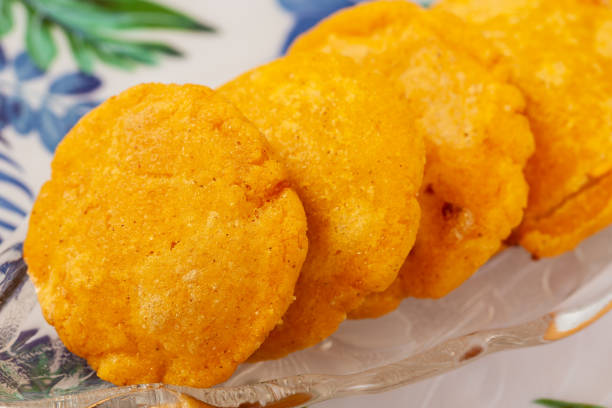
- Arepa de huevo
- Carimañola de queso
- Suero costeño
- Fresh orange juice or Colombian coffee
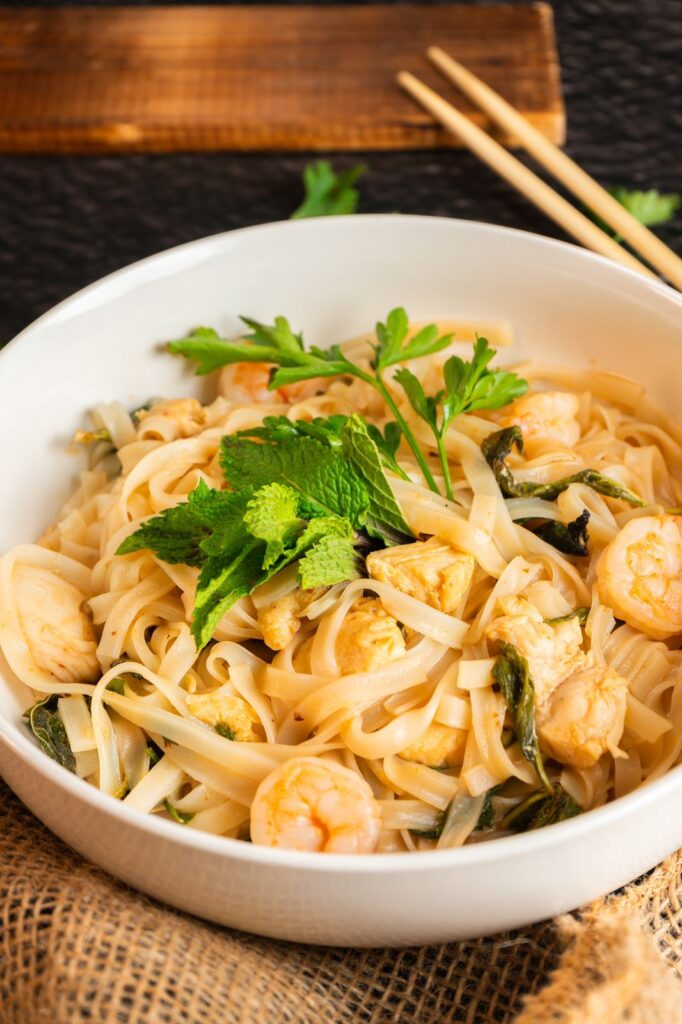
This is one of the best introductions to Caribbean flavors and a reminder that Barranquilla’s culinary identity begins early in the day. If you prefer something more contemporary, Mökafe is a great alternative for specialty coffee and brunch-style plates.
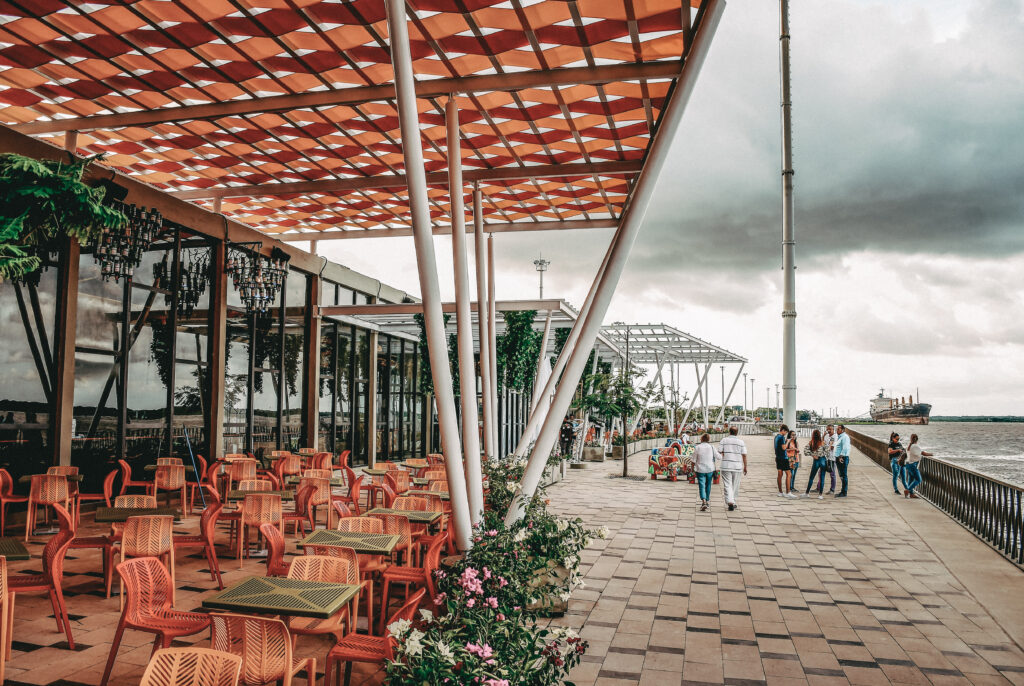
11:00 AM — Walk Through the Gran Malecón del Río
No first visit to Barranquilla is complete without experiencing the Gran Malecón.
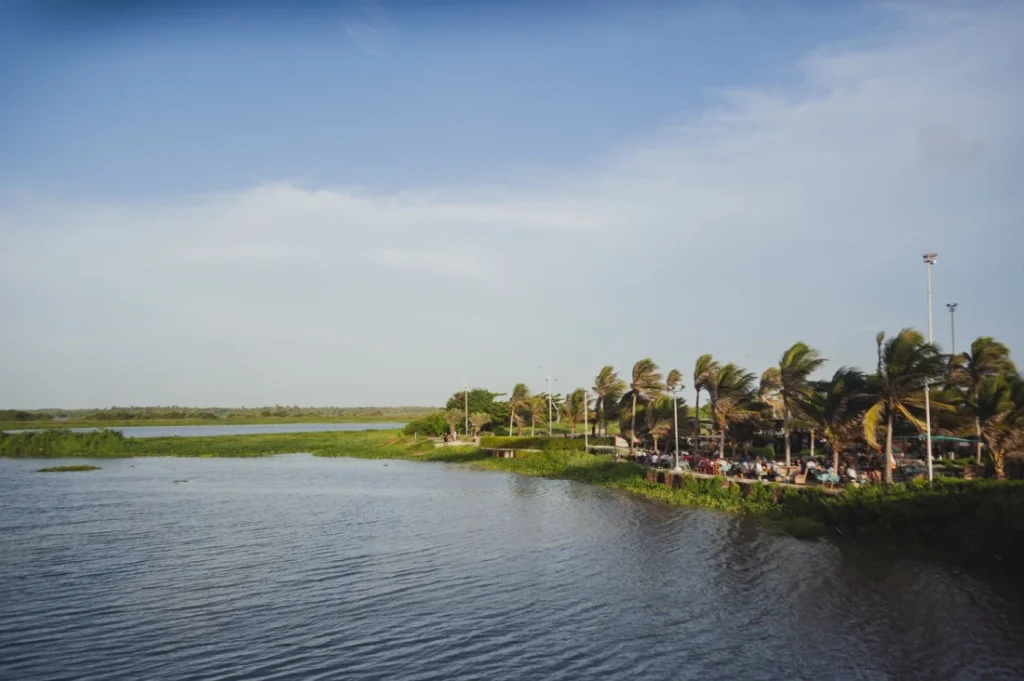
Stretching along the Magdalena River, this waterfront promenade has become one of the city’s most important urban transformation projects.
What to do here:
- Walk the full boardwalk
- Stop for photos at the iconic BAQ sign
- Try a cold coconut lemonade
- Explore public art installations
- Enjoy the river breeze
The Malecón is where Barranquilla shows its most modern face.
1:30 PM — Lunch at Cucayo
For lunch, go straight to one of the city’s most celebrated Caribbean restaurants.
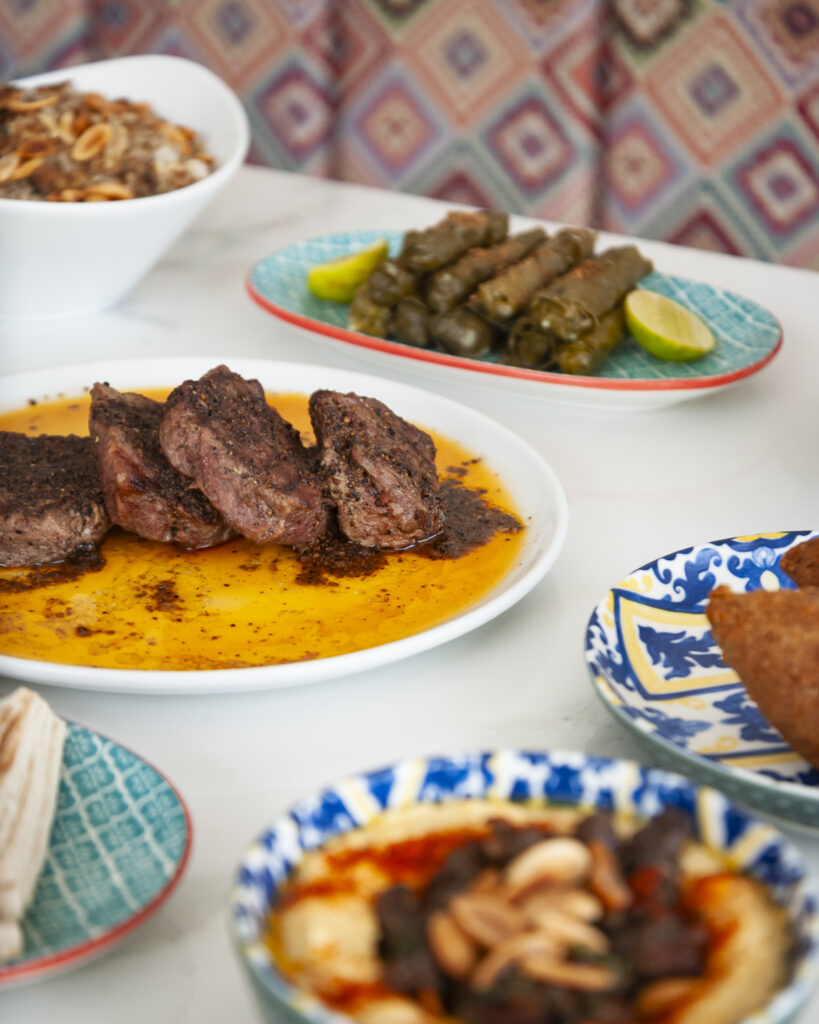
At Cucayo, local ingredients are elevated through refined Caribbean cuisine.
Must-try dishes:
- Arroz meloso de mariscos
- Posta cartagenera
- Cazuela de camarones
- House cocktails
It’s the perfect way to experience how Barranquilla is redefining regional gastronomy.
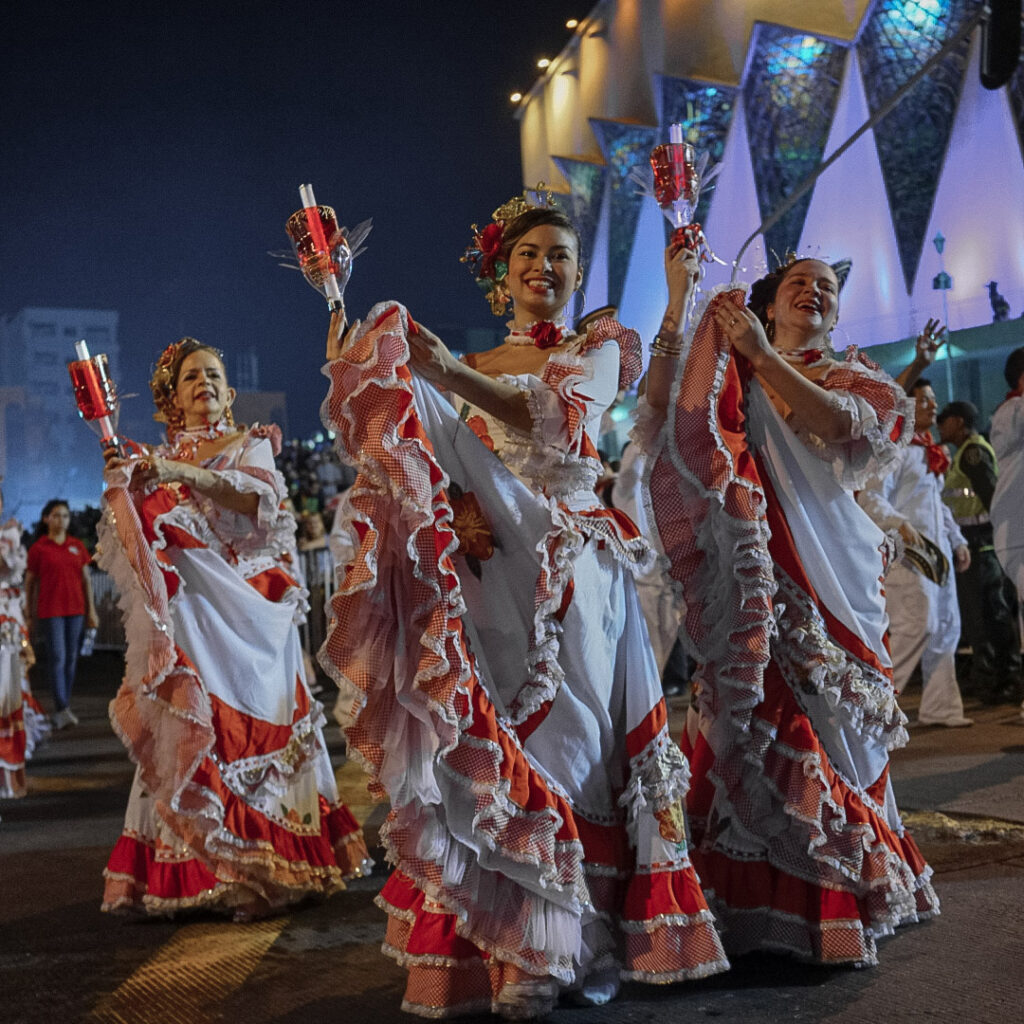
4:00 PM — Cultural Stop at Museo del Carnaval
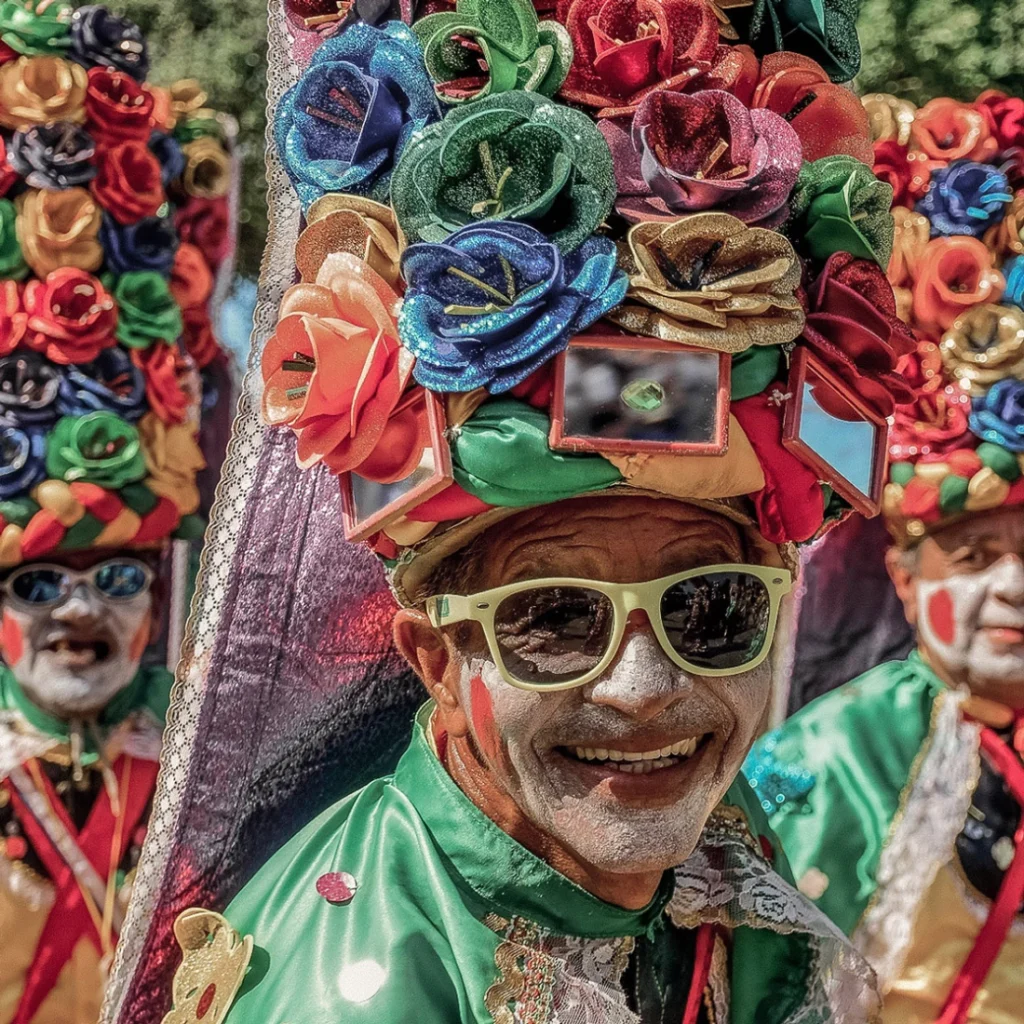
To understand Barranquilla, you need to understand Carnival.
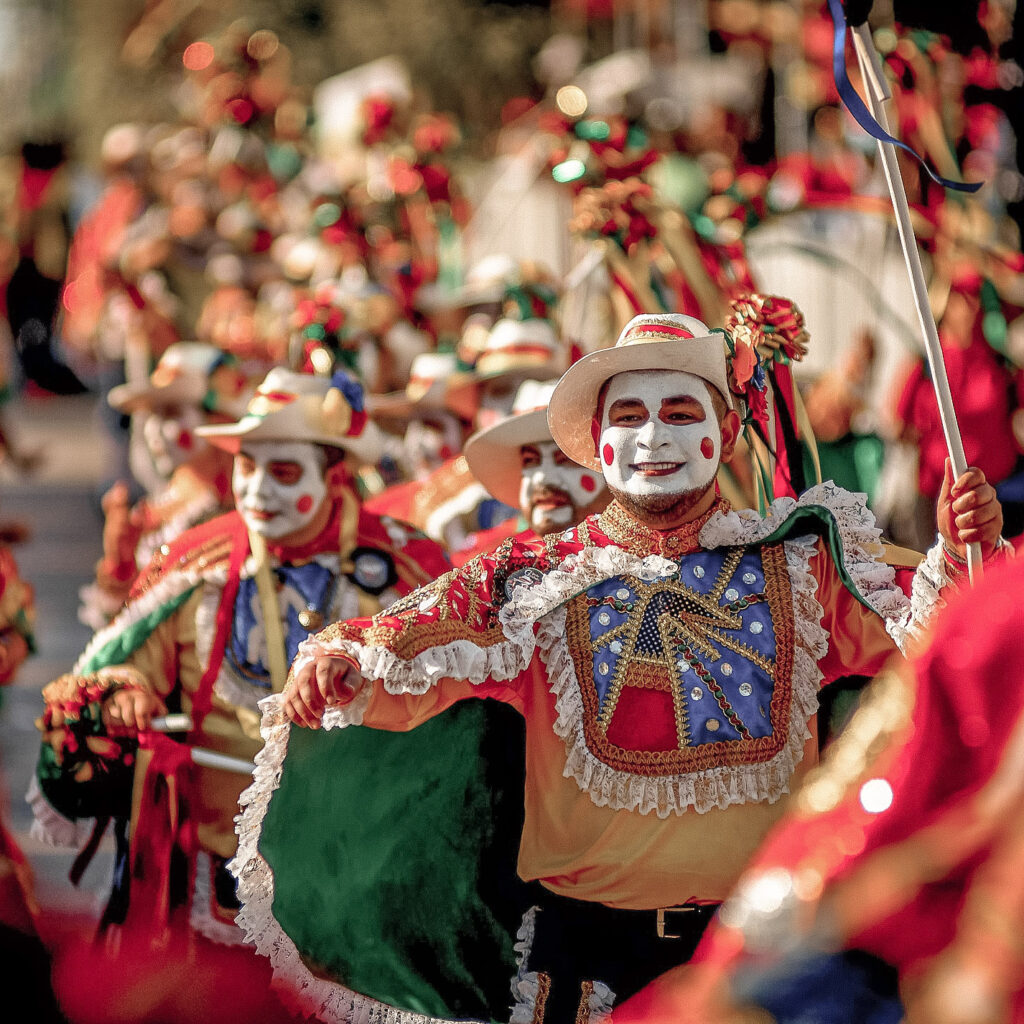
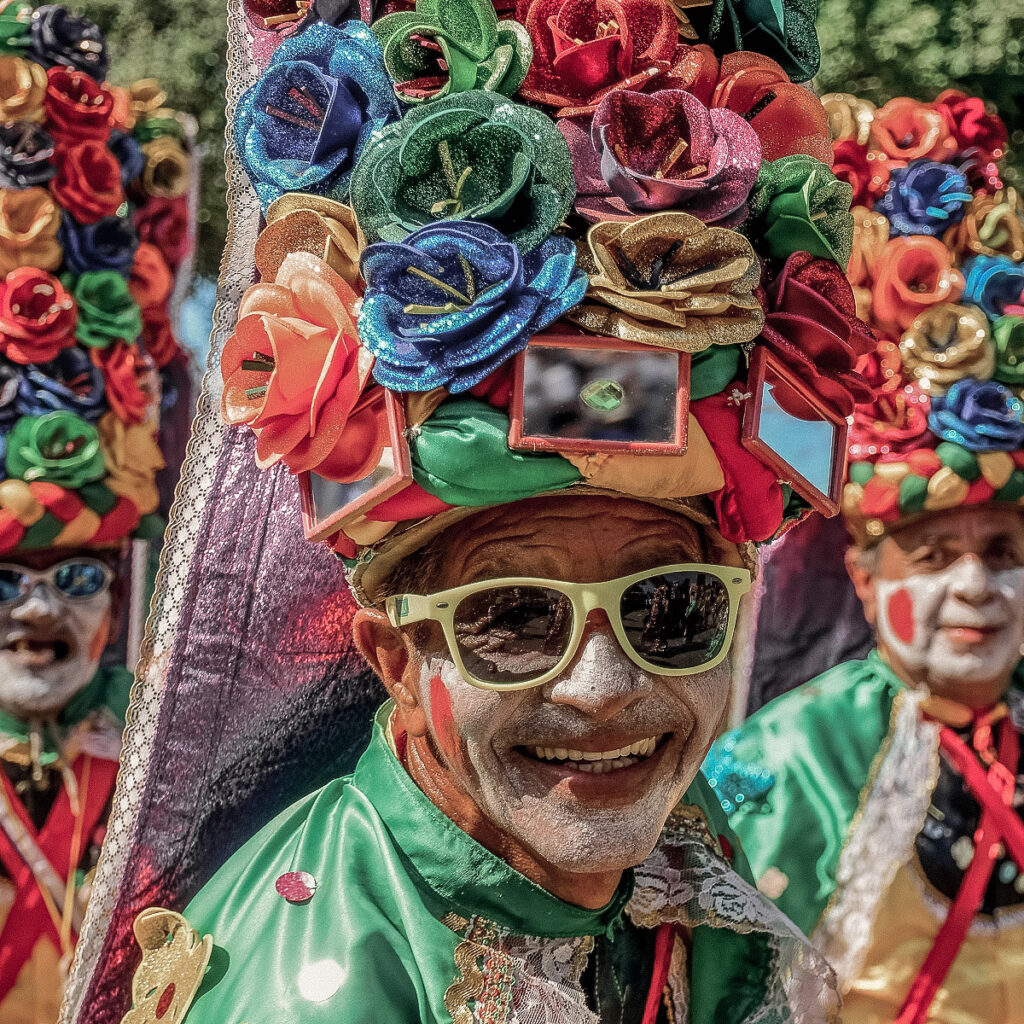
Even outside the season, the Museo del Carnaval offers a deep immersion into costumes, music, traditions and the cultural history of the city.
You’ll leave understanding why Carnival is not just a party, but a living expression of identity
What to try:
- Filter coffee (ask for their signature beans)
- Espresso-based drinks
- Light pastries if available
It’s a quiet reset moment in the middle of the city’s energy — perfect to recharge before the night
8:30 PM — Dinner at Mistura
For dinner, Mistura offers one of the city’s strongest upscale dining experiences. The atmosphere feels polished without being intimidating, and the menu blends international technique with bold local influence.
Perfect for:
- A date night
- A group dinner
- A more elevated culinary experience
11:00 PM — Nightlife at La Troja
You can’t say you experienced Barranquilla nightlife without La Troja. This iconic salsa spot is pure local culture. It’s vibrant, loud, authentic and full of character. Even if you’re not dancing all night, spending an hour here is enough to understand the city’s rhythm.
With urban growth and the rise of new economic dynamics, the daily relationship between the city and the river began to weaken.
Barranquilla kept growing, but no longer in dialogue with its most important natural edge. The river shifted from being a protagonist to becoming a background element. And with that, the city lost part of its original narrative.
The turning point: looking back at the Magdalena
Every major urban transformation begins with a clear decision: to reconnect with what truly matters.
More than a space: a new way of experiencing the city
The Gran Malecón is not just infrastructure. It is a new way of understanding Barranquilla.
What happened there was deeper than an urban intervention: it was an emotional reconnection between the city and its origin. Today, this space works as a meeting point, a cultural stage, a gastronomic corridor, a recreational area, and a symbol of urban transformation.
But its true value is not only in what it offers.It is in what it changed. It changed how the city is perceived.
The river as a new urban experience
The reconnection with the Magdalena transformed everyday life. Today, the river is part of the urban experience: walking it, inhabiting it, observing it, living it.
It became a space where the city breathes differently. Where urban life finds balance.